
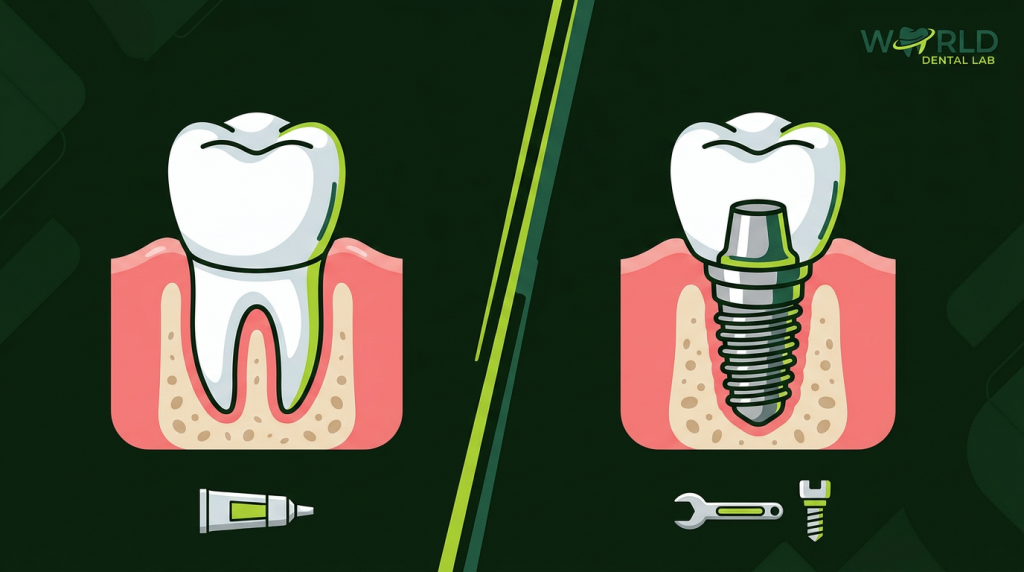
From a patient’s perspective, an implant crown and a regular crown look nearly identical. From a dental lab’s perspective, they are very different restorations — different components, different design considerations, different cementation protocols, and different failure modes. Understanding these differences is essential for any lab producing implant restorations.
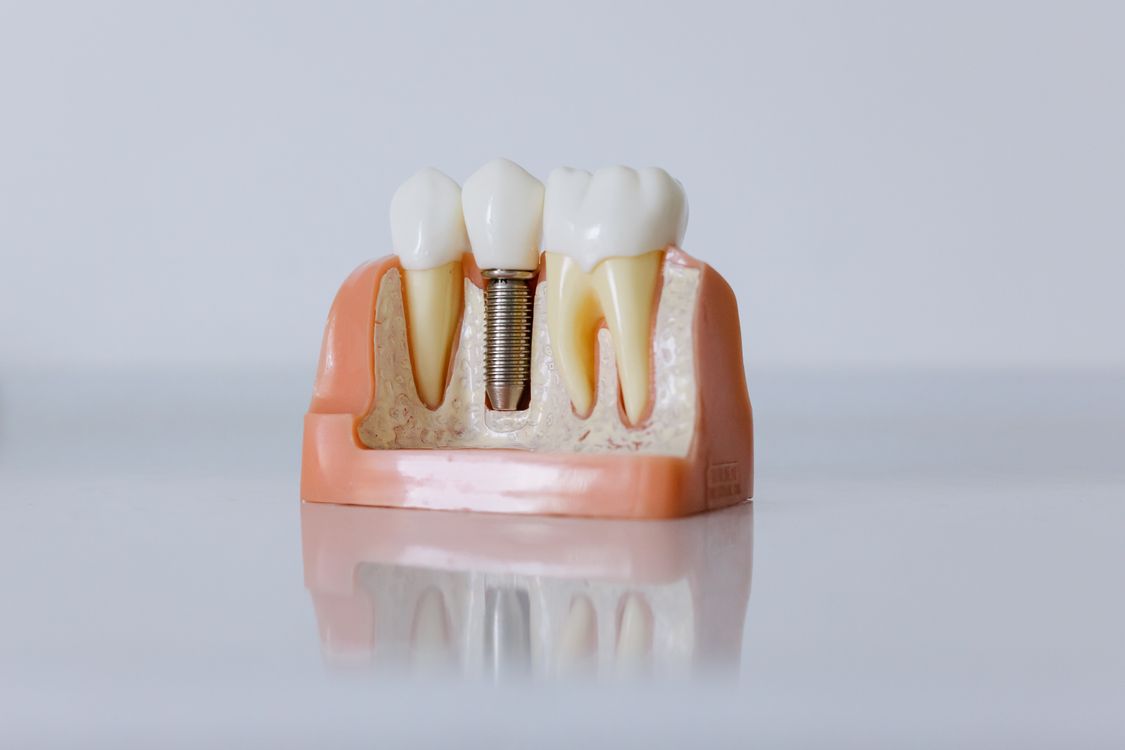
How a Regular (Tooth-Supported) Crown Works
A conventional crown is placed over a prepared natural tooth. The crown’s internal surface is designed to seat on the prepared tooth margin (chamfer, shoulder, or knife-edge preparation), and the crown is cemented to the natural tooth with resin cement, RMGI, or zinc phosphate cement.
Key design features:
- Internal fit adapted to the individual prep shape (no universal interface)
- Margin follows the preparation design of the natural tooth
- Retention from prep taper, cement, and micro-mechanical bond
- Biological width consideration at the gingival margin
How an Implant Crown Works
An implant crown connects to the underlying implant fixture via a standardized interface — either directly to the implant (implant-level) or via an abutment (abutment-level). The connection geometry is determined by the implant manufacturer’s specifications.
Components in an implant restoration:
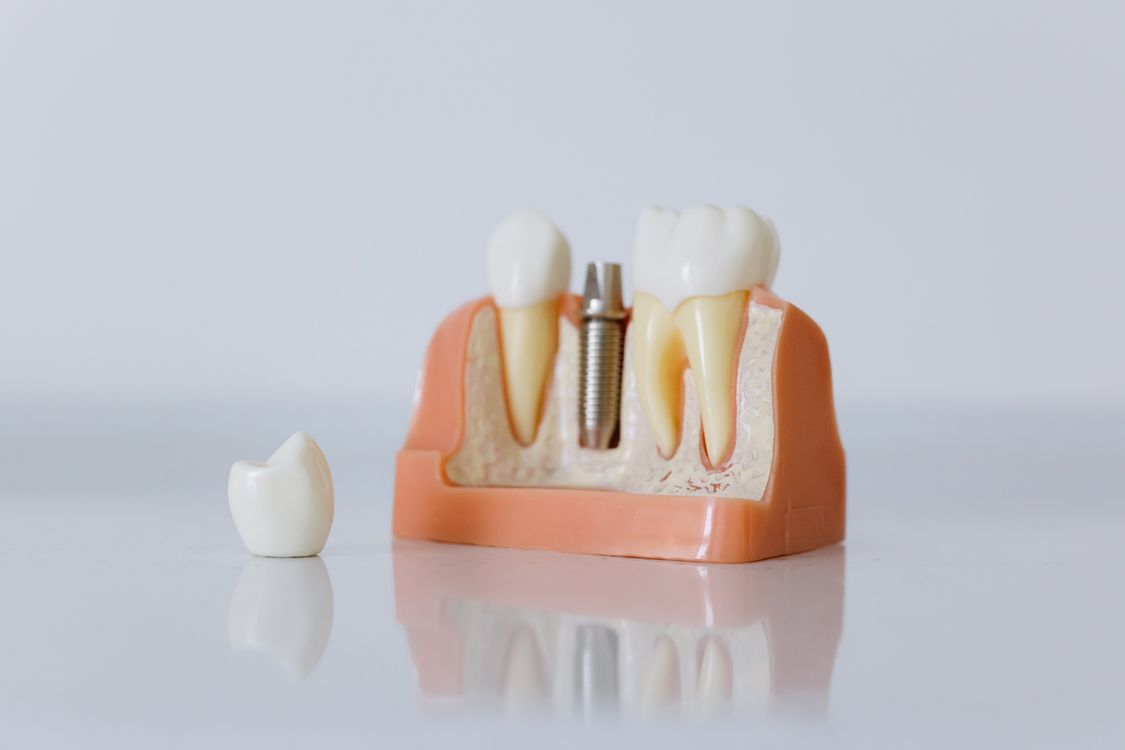
- Implant fixture: Titanium screw placed in the jawbone by the surgeon (not a lab component)
- Abutment: Connects implant to crown — either prefabricated (stock) or custom-milled (titanium, zirconia, or hybrid)
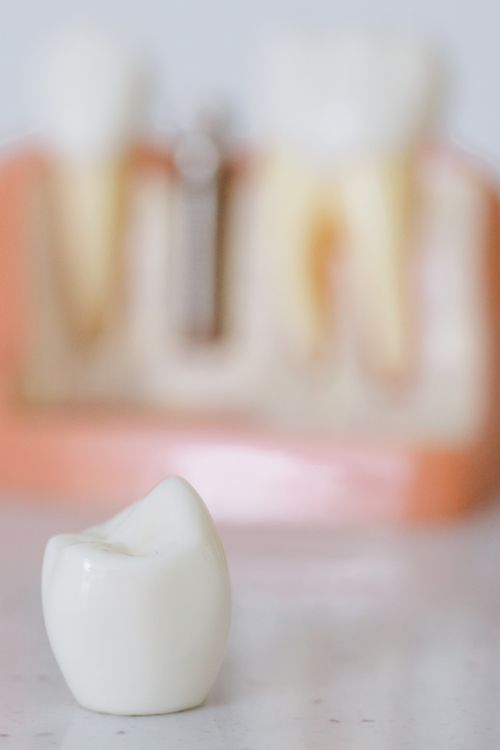
- Implant crown: The visible restoration — can be cement-retained (cemented to abutment) or screw-retained (screwed through crown directly to implant)
Cement-Retained vs. Screw-Retained Implant Crowns
| Feature | Cement-Retained | Screw-Retained |
|---|---|---|
| Retrievability | Difficult | Easy (unscrew) |
| Cement excess risk | Yes — can cause peri-implantitis | None |
| Occlusal access hole | No | Yes (screw channel) |
| Esthetic impact | Better (no hole) | Minor (access hole visible) |
| Current preference | Less preferred (cement risk) | Industry-preferred |
The profession has largely shifted toward screw-retained restorations due to the well-documented risk of peri-implantitis from sub-gingival cement residue.
Key Lab Differences: Implant vs Regular Crown
Interface Precision
Regular crowns require custom fit to each individual preparation — variability is inherent. Implant restorations must match the standardized implant platform geometry precisely. A misfit of even 50 µm at the implant-abutment interface can compromise the biological seal and increase screw loosening risk.
Abutment Design (Custom Abutments)
When the implant position or angulation is challenging, a custom-milled abutment (CAD/CAM titanium or zirconia) is designed to correct the emergence profile and crown angulation. This requires the lab to design both the abutment and the crown in coordination — a more complex workflow than a standard tooth-prep crown.
Emergence Profile
The emergence profile of an implant crown (the transition from implant platform to crown contour) has a significant effect on soft tissue health. Labs must design this zone carefully — over-contouring creates areas where plaque accumulates; under-contouring can lead to tissue collapse. This is a design decision that regular tooth-supported crowns rarely require at the same level of detail.
Occlusal Design
Implants lack the periodontal ligament (PDL) that provides proprioceptive feedback and shock absorption in natural teeth. Implant crowns should be designed with slightly lighter occlusal contacts than natural teeth to reduce stress on the osseointegration interface.
Material Considerations
Material selection for implant crowns follows similar principles to tooth-supported crowns, with some important additions:
- Zirconia: Most common for posterior implant crowns — strength and biocompatibility are ideal. For a full material comparison, see our zirconia crown guide.
- Titanium abutments with zirconia crowns (hybrid): Combines titanium’s proven osseointegration compatibility at the interface with zirconia’s esthetic and biocompatible crown material
- Full zirconia abutment + crown: Suitable for anterior cases where grey titanium showing through tissue is a concern — but requires stronger osseointegration due to abutment brittleness
What Labs Need From the Clinician
For a successful implant crown, the lab needs:
- Implant brand, system, and platform size
- Scan body type used for the digital impression
- Implant position and angulation data (from CBCT or scan)
- Adjacent and opposing arch scans
- Restoration type: cement-retained or screw-retained
- Abutment preference: stock, prefab, or custom CAD/CAM
Implant Restorations From World Dental Lab
We produce implant crowns, custom abutments, and implant bridges for labs in 32 countries. Our team supports all major implant systems.
