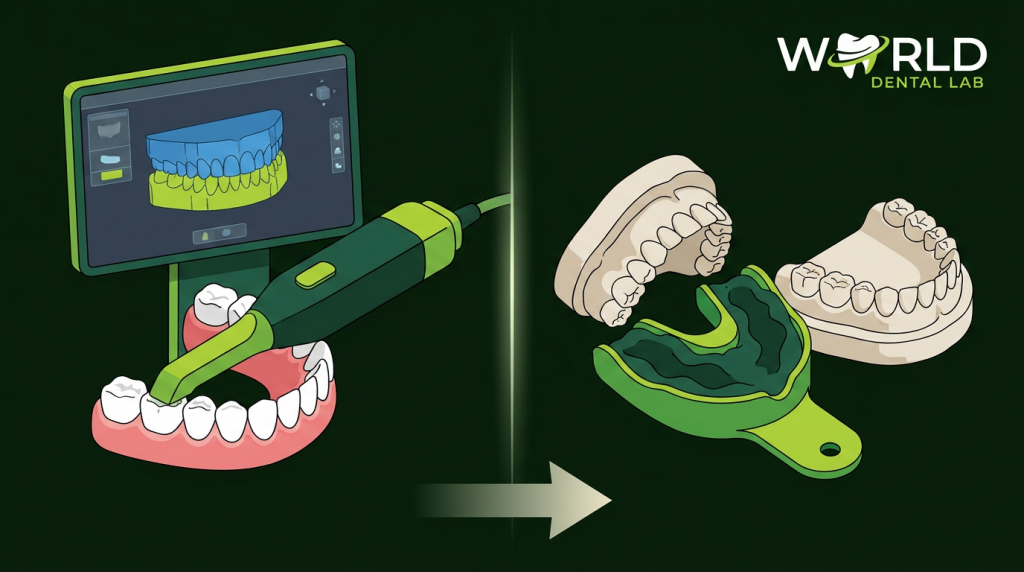
The shift from physical to digital impressions is one of the most significant workflow changes in dentistry over the past decade. For dental labs, this transition affects everything: how cases arrive, how they’re processed, and how quickly work can begin. This guide compares both impression methods with a focus on what matters most to labs and their clinical partners.
How Physical Impressions Work
Traditional impressions use elastomeric materials — polyvinyl siloxane (PVS), polyether, or alginate — to capture a negative reproduction of the oral structures. The impression is poured in stone (for study models) or scanned by the lab (for digital workflow) or used directly for casting.
Physical impression workflow for labs:
- Impression received by courier or mail (adds 1–5 days)
- Lab pours stone model or scans the impression directly
- Model trimmed and articulated
- Restoration designed on model or from scan data
Physical impressions remain widely used — particularly in practices without intraoral scanners, and for full-denture and removable prosthodontic cases where physical models still have advantages.
How Digital Impressions Work
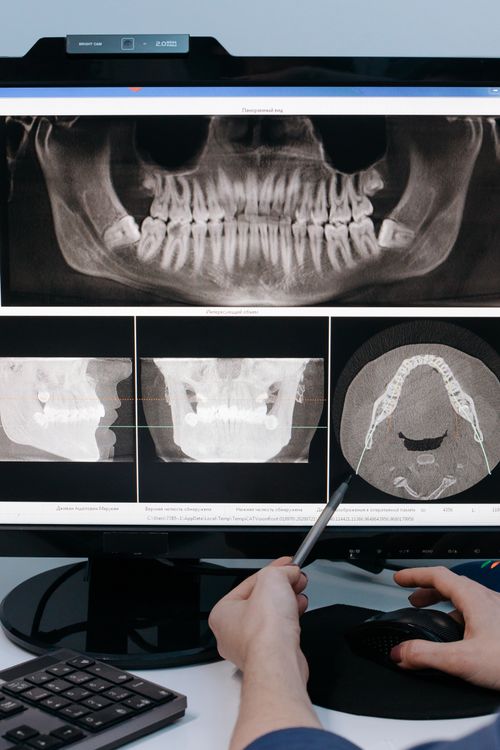
Intraoral scanners (IOS) capture a series of photographs or structured light images of the prepared teeth and surrounding structures. Software processes these into a 3D STL or OBJ file that is sent to the lab digitally — typically within minutes of capture.
Digital impression workflow for labs:
- STL file received via email or lab management platform (often same day)
- File imported directly into CAD software
- Restoration designed on-screen — no model pouring required
- Milling or printing begins immediately
Accuracy Comparison
This is the most important question clinicians and labs ask. The evidence has evolved significantly:
Short spans (1–3 units): Multiple systematic reviews (2020–2024) show digital and PVS impressions are equivalent in accuracy for single-unit and 3-unit restorations. Some studies show IOS superior in accuracy for short spans due to elimination of impression distortion and model errors.
Full arch: Physical impressions maintain an accuracy advantage for full-arch cases. IOS accuracy degrades over longer spans due to scan stitching error accumulation. Closed-arch scanning strategies and newer scanner software have narrowed this gap, but full-arch implant work still often benefits from physical impression verification.
Workflow Comparison for Labs
| Factor | Digital | Physical |
|---|---|---|
| Delivery to lab | Minutes | 1–5 days |
| Model required | No | Usually yes |
| Retake risk | Lower (visible immediately) | Higher (not seen until poured) |
| Material waste | None | Impression + stone materials |
| Short span accuracy | Equal or better | Equal |
| Full arch accuracy | Improving (still lower) | Better |
| Implant cases | Excellent (scan bodies) | Excellent |
| Overseas outsourcing | Ideal | Adds 3–7 days shipping |
For Outsourcing Labs: Digital Is the Faster Path
When sending work to an outsourcing partner like World Dental Lab, digital impressions dramatically accelerate turnaround. A case submitted by digital scan at 9am can be designed and in production the same day. A physical impression sent internationally adds 3–7 business days before production even begins. For guidance on exactly how to format and submit scan files, see our complete STL file submission guide.
For labs considering outsourcing, this is a strong argument for encouraging clinical partners to scan whenever possible. Our guide to choosing an outsourcing partner covers digital workflow compatibility as a key evaluation criterion.
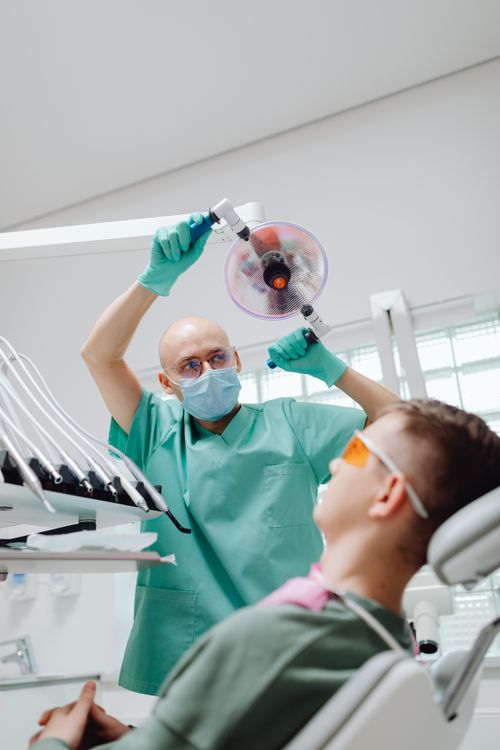
Common Digital Impression Formats Accepted by Labs
- STL: Universal — accepted by all CAD software
- OBJ: Supports color data — used for shade matching workflows
- PLY: Less common; some scanners export this format
- Proprietary formats: 3Shape (DCM), CEREC (SSI), iTero (ITero native) — most labs can convert these
World Dental Lab accepts all major scan formats. For format guidance, see our digital workflow page.
Send Your Scans to World Dental Lab
We accept digital cases from all major intraoral scanner brands. Same-day start on cases received by 12pm GMT+7.
