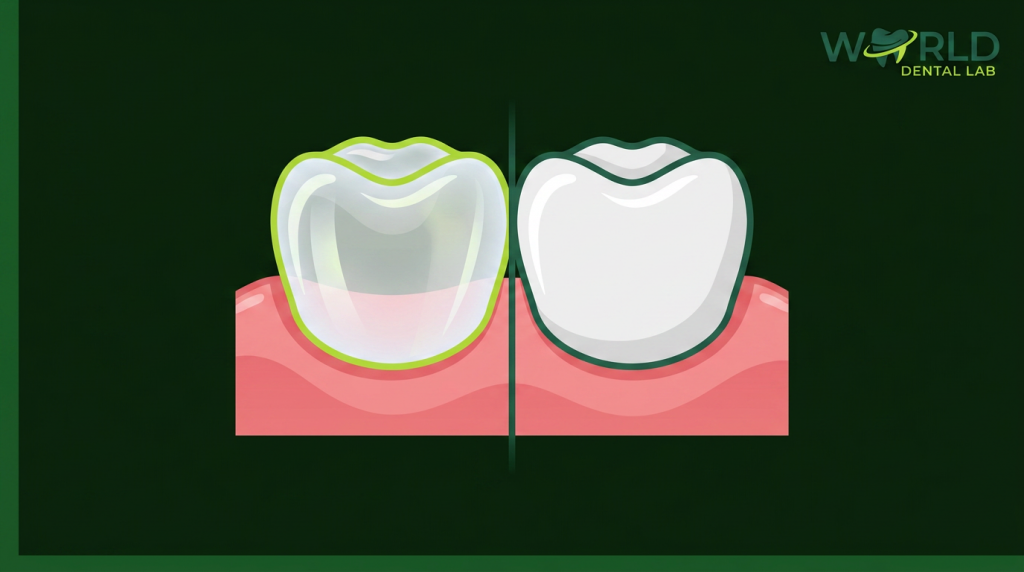
When a patient needs an all-ceramic restoration and aesthetics matter, two materials dominate the conversation: IPS e.max (lithium disilicate) and zirconia. Both are metal-free, both produce excellent results — but they have different strengths and are suited to different clinical situations. This guide cuts through the marketing to give dental labs and clinicians a clear framework for material selection.
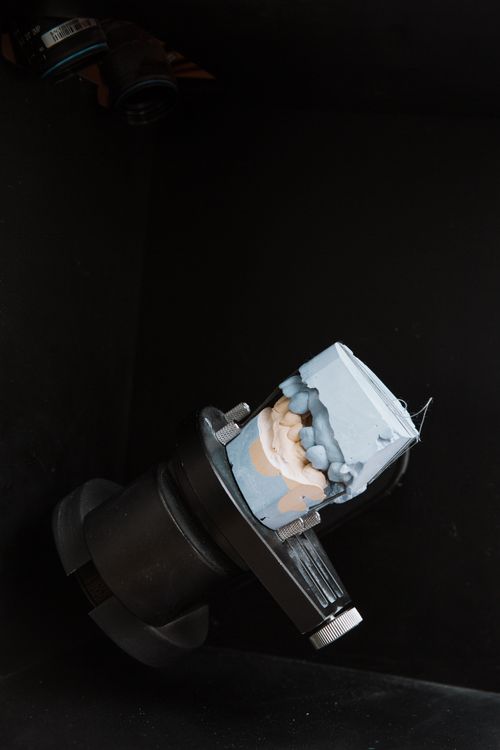
What Is E.max (Lithium Disilicate)?
IPS e.max (Ivoclar Vivadent) is a lithium disilicate glass-ceramic. It is available in two fabrication forms:
- IPS e.max Press: Heat-pressed using lost-wax technique — allows precise characterization and layering
- IPS e.max CAD: Milled from CAD blocks in a pre-crystallized (blue) state, then crystallized in a furnace (300–350°C, 25 minutes) to achieve final properties
Flexural strength: approximately 360–400 MPa (CAD) and 400 MPa (Press). Translucency: excellent — comparable to natural enamel in many shades.
What Is Zirconia?
Zirconia is a polycrystalline ceramic material with significantly higher strength than glass-ceramics. Modern multi-layered zirconia materials offer substantially improved translucency compared to early generations. For complete background on zirconia, see our zirconia crown complete guide.
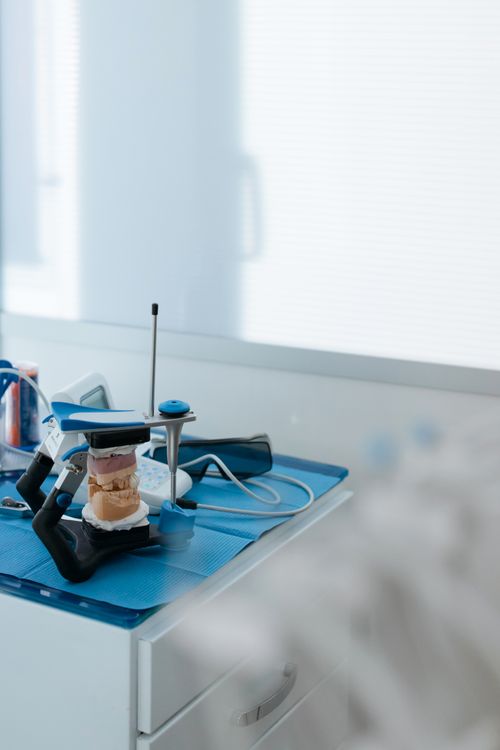
E.max vs Zirconia: Direct Comparison
| Property | E.max | Zirconia |
|---|---|---|
| Flexural strength | 360–400 MPa | 700–1,200 MPa |
| Translucency | Excellent (glass-ceramic) | Good–excellent (varies by gen) |
| Opalescence / fluorescence | Excellent (inherent) | Fair (requires staining/glazing) |
| Etching with HF | Yes — enables strong adhesive bond | No — requires MDP primer |
| Bridge span | Max 3-unit (anterior only) | Up to full arch |
| Wear on opposing | Low — similar to natural enamel | Moderate (polished surface recommended) |
| Milling difficulty | Easy (milled pre-crystallized) | Harder (dense, requires carbide burs) |
| Cost (per blank) | $20–45/block | $8–30/block |
Clinical Indications: When to Choose E.max
E.max is the superior choice when:
- Anterior single-unit veneers and crowns — superior translucency and opalescence match natural dentition better in most anterior cases
- Adhesive cementation is planned — HF etching creates a micromechanical bond that exceeds what MDP primer achieves on zirconia
- Minimal preparation cases — e.max can be fabricated thinner (0.3 mm veneers) due to high translucency allowing light-through effect to compensate for preparation depth
- 3-unit anterior bridges — within material limits, e.max provides superior esthetics for short-span anterior situations
- Matching existing e.max restorations
Clinical Indications: When to Choose Zirconia
- Posterior single-unit and multi-unit restorations — strength advantage matters under molar loading
- Bruxers and parafunctional patients — zirconia’s fracture resistance is significantly higher
- Implant-supported crowns and bridges — especially full arch where e.max is contraindicated
- Long-span bridges (4+ units) — e.max cannot span this distance safely
- Night guard wearers — zirconia better withstands the occlusal forces of chronic bruxers
The Emerging Option: Zirconia Reinforced Lithium Silicate (ZLS)
A newer class of materials (Vita Suprinity, Celtra Duo) combines lithium silicate glass-ceramic with ~10% zirconia content. For labs comparing zirconia against traditional metal-ceramic options, see our PFM vs Zirconia Crown comparison. This raises strength to ~420 MPa while maintaining excellent translucency. ZLS materials are gaining adoption as a “best of both worlds” option for anterior and premolar cases — though long-term clinical data is still accumulating.
Quick Decision Framework
- Anterior crown, demanding esthetics → E.max
- Posterior crown, any load → Zirconia (monolithic)
- Anterior veneer (minimal prep) → E.max Press or CAD
- Full arch implant → Zirconia
- 3-unit posterior bridge → Zirconia
- 3-unit anterior bridge → E.max or Zirconia (high-translucency)
- Bruxer patient → Zirconia
World Dental Lab Produces Both E.max and Zirconia Restorations
Our technicians can advise on material selection for each case and produce e.max and zirconia restorations with 5-day standard and 2-day rush turnaround.
