
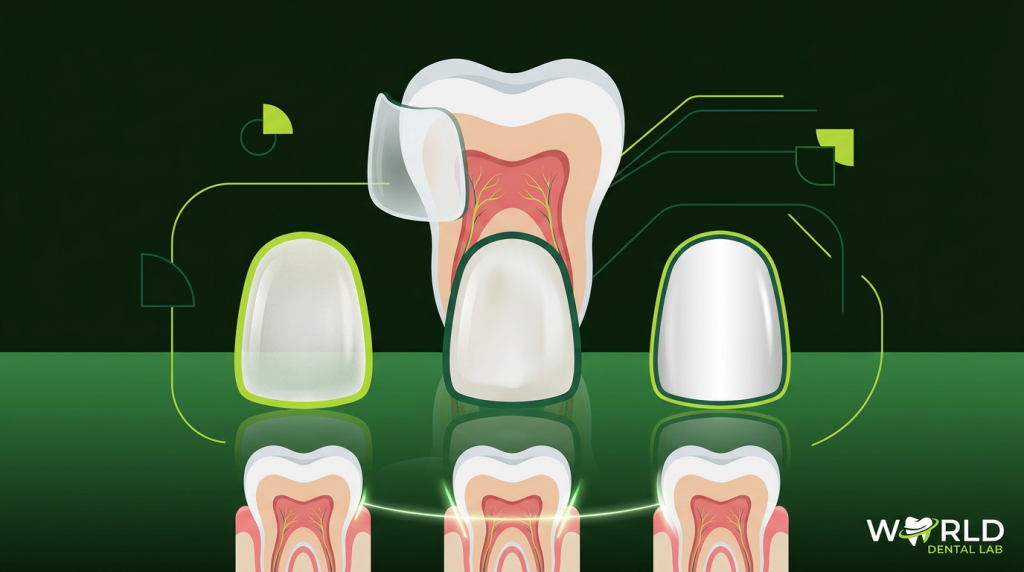
Dental veneers are thin shells bonded to the front surface of teeth to improve appearance — correcting colour, shape, size, or length. While all veneers share the same clinical purpose, the three main material types differ significantly in aesthetics, durability, preparation requirements, and cost. Understanding these differences is essential for dentists planning treatment and dental labs producing the restorations.
What Are Dental Veneers?
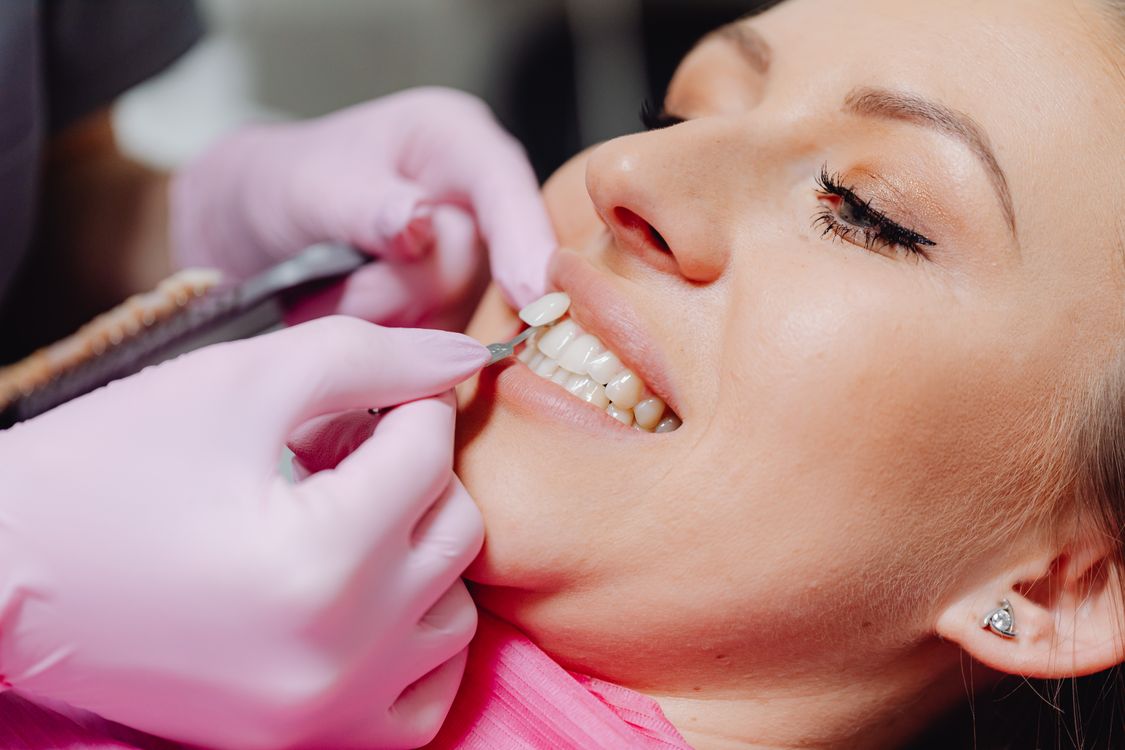
A dental veneer is a thin restoration — typically 0.3–0.7 mm thick — bonded to the labial (front) surface of a tooth with minimal or no tooth preparation. Unlike crowns, which cover the entire tooth, veneers cover only the visible surface.
Veneers are indicated for:
- Discoloured teeth unresponsive to whitening
- Chipped or worn enamel
- Minor spacing and alignment irregularities
- Peg laterals and shape abnormalities
- Smile design cases requiring multiple-tooth transformation
Type 1: Porcelain Veneers (Feldspathic)
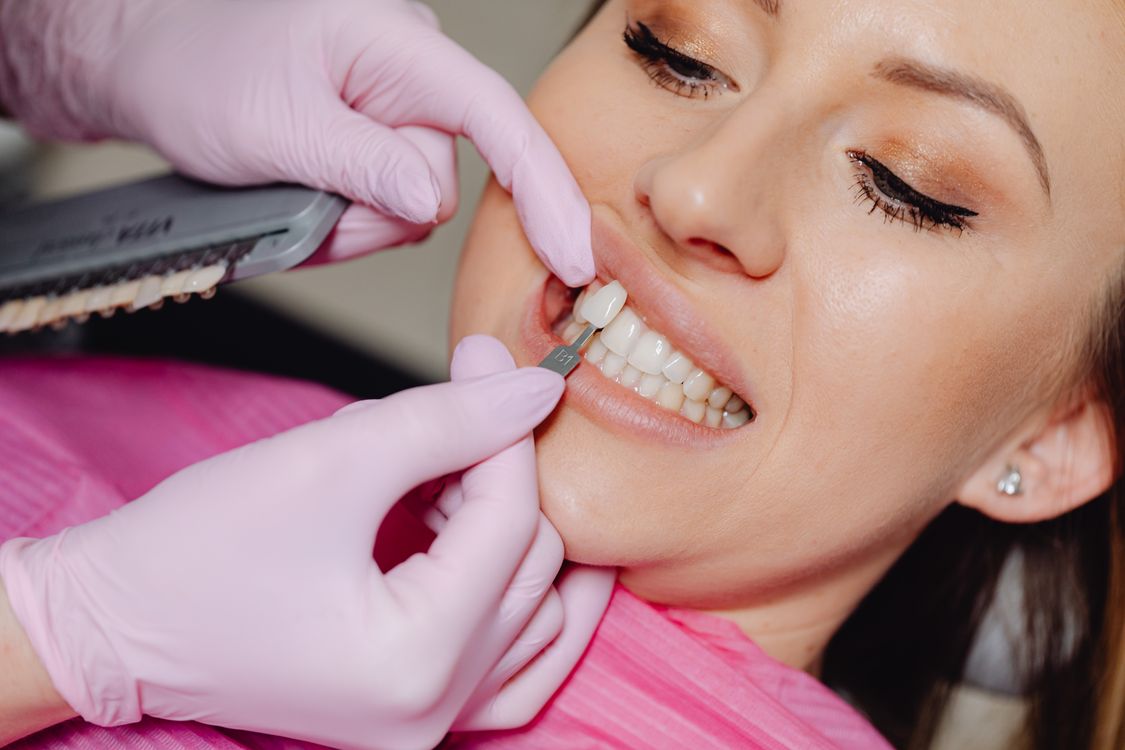
Feldspathic porcelain veneers are the gold standard for anterior aesthetics. They are built up by hand on a refractory die — a process that allows extraordinary control over translucency, opalescence, and internal characterisation.
Key advantages:
- Highest aesthetic potential of any veneer material
- Natural light transmission (opalescence and fluorescence)
- Can be fabricated as thin as 0.3 mm — minimal preparation
- HF-etchable surface allows strong adhesive bond (≥20 MPa)
- Surface can be adjusted and refined chairside with porcelain instruments
Limitations:
- Lower flexural strength (~60–80 MPa) — not appropriate for bruxers
- Requires highly skilled ceramist — significant lab technician time
- Higher lab cost than pressed or milled alternatives
- More technique-sensitive adhesive protocol
For a deeper dive into feldspathic veneer fabrication, see our dedicated guide: Feldspathic Veneers — Material, Cost and Procedure.
Type 2: Pressed Ceramic Veneers (e.max Press)
IPS e.max Press veneers use lithium disilicate glass-ceramic pressed into a wax pattern via the lost-wax technique. Flexural strength is approximately 400 MPa — significantly stronger than hand-stacked feldspathic porcelain.
Key advantages:
- Higher strength than feldspathic — suitable for patients with light to moderate parafunction
- Excellent aesthetics — good translucency and available in multiple opacity levels
- Consistent thickness control through pressing
- HF-etchable — reliable adhesive bonding protocol
Best for: Cases requiring a balance between aesthetics and strength — most anterior veneer cases where feldspathic is not explicitly required.
Type 3: Milled Ceramic Veneers (e.max CAD / Zirconia)
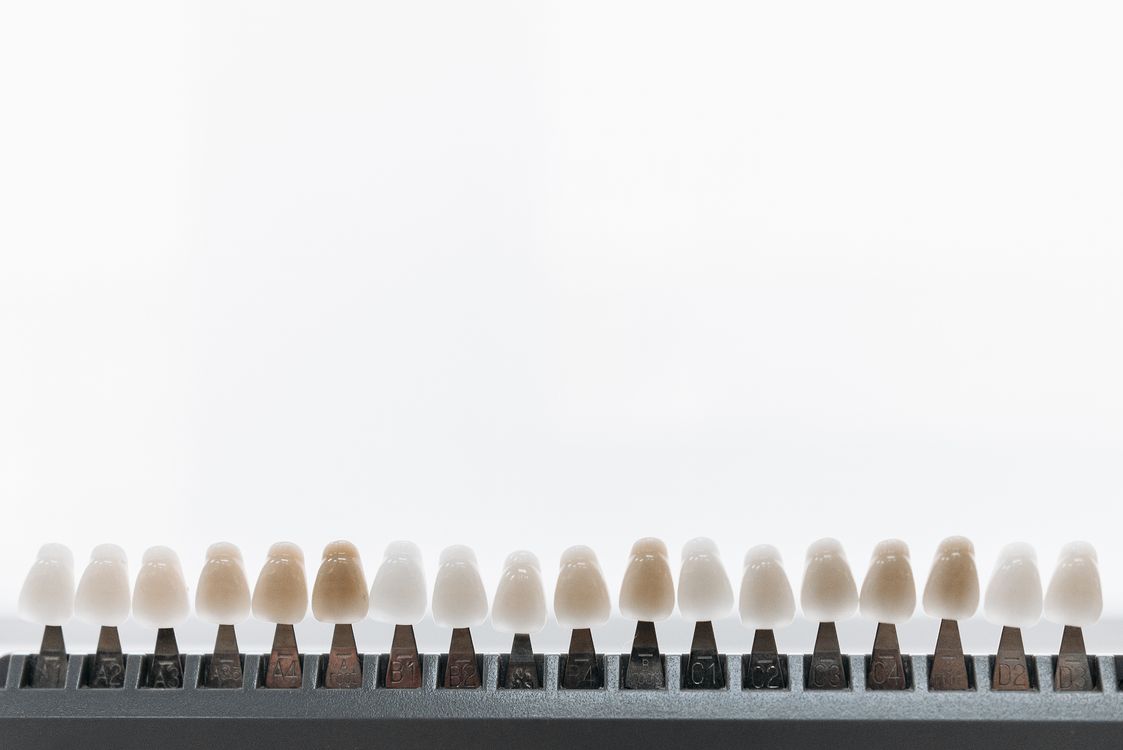
CAD/CAM milled veneers can be produced from e.max CAD blocks or zirconia. Milling offers speed and consistency but provides less customisation than hand-stacked or pressed options.
e.max CAD veneers: Good aesthetics, crystallisation takes 25–30 minutes, suitable for multi-unit cases where consistency across a full set is important.
Zirconia veneers: Strongest option (~700+ MPa) — appropriate for patients with bruxism or where tooth structure is compromised. However, zirconia veneers can look slightly more opaque than glass-ceramic options, so shade and thickness planning is critical.
Type 4: Composite Resin Veneers
Composite resin veneers are placed directly by the clinician (chairside) or fabricated indirectly by the dental lab. They are not ceramic but are included in this comparison as an alternative that many patients consider.
Advantages:
- Lower cost — both direct (chairside) and indirect options
- Repairable chairside
- Reversible — minimal or no tooth preparation
Limitations:
- Lower aesthetics — more prone to staining and surface degradation over time
- Lower durability — 5–7 year average lifespan vs 15–20+ years for ceramic
- Surface lustre diminishes with time
Material Comparison Summary
| Property | Feldspathic | e.max Press | Zirconia | Composite |
|---|---|---|---|---|
| Strength (MPa) | 60–80 | 400 | 700+ | 50–150 |
| Aesthetics | ★★★★★ | ★★★★☆ | ★★★☆☆ | ★★★☆☆ |
| Lifespan | 15–20+ yr | 15–20 yr | 20+ yr | 5–7 yr |
| Bruxism suitability | No | Limited | Yes | No |
| HF etching | Yes | Yes | No (MDP primer) | N/A |
| Lab cost | Highest | Moderate | Moderate | Lowest |
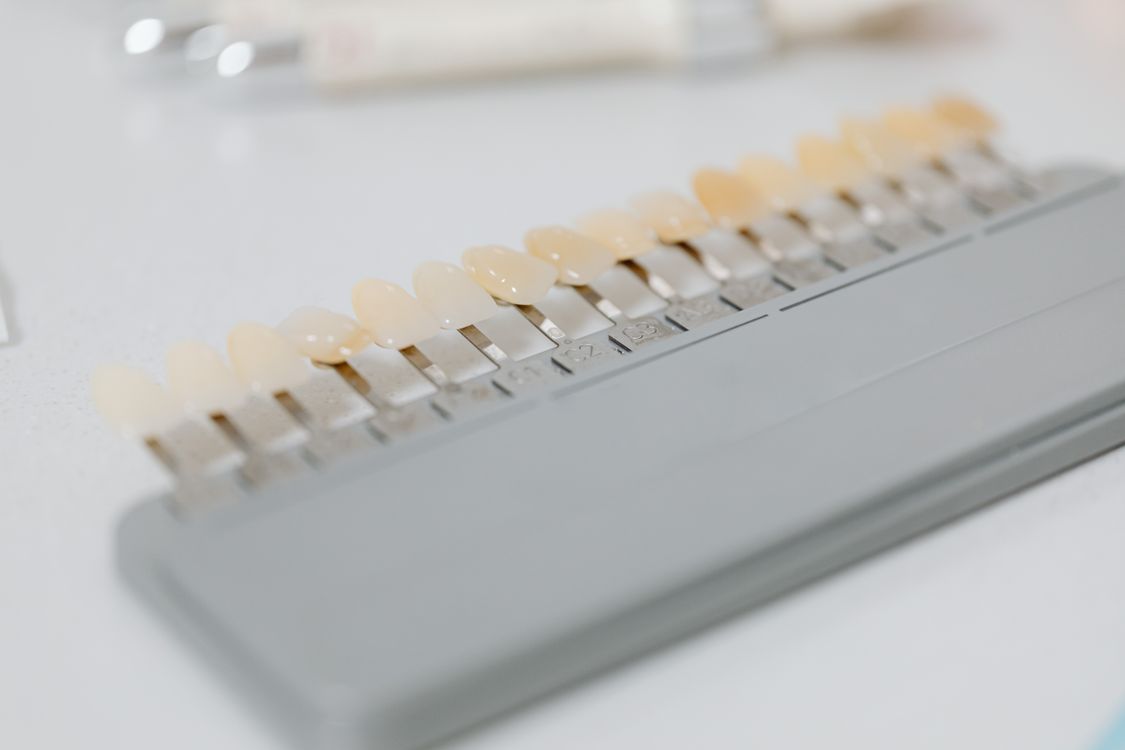
Which Veneer Material Should You Choose?
- Demanding anterior aesthetics, non-bruxer → Feldspathic porcelain
- Anterior aesthetics, moderate parafunction → e.max Press
- Full-arch smile design, consistency priority → e.max CAD or zirconia
- Bruxer patient, anterior veneer → Zirconia (with careful thickness planning)
- Budget-constrained, reversible option → Indirect composite
For DSD (Digital Smile Design) veneer workflows, see our article: DSD Veneers: The Art and Science of Smile Design.
Order Veneers From World Dental Lab
We produce feldspathic, e.max, and zirconia veneers for dental labs and practices in 32 countries. White-label packaging, 2-year warranty, rush turnaround available.
